MyungJin Kim

MyungJin Kim was born in 1975 in South Korea. He received his MFA in ceramic art from Seoul National University in 2002, after which he moved to Los Angeles.
His ceramic art can be found in the Jordan Schnitzer Museum of Art in Eugene, Oregon, in the Pizzuti Collection at the Columbus Museum of Art, the Resnick Collection in Los Angeles, the Archie Bray Foundation Collection in Helena, Montana, and the Sonny Kamm Teapot Collection in Los Angeles. Additionally, his work is present in numerous private collections in the United States.
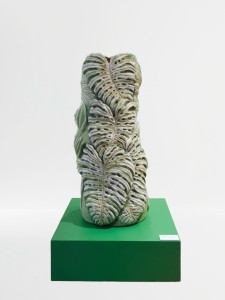
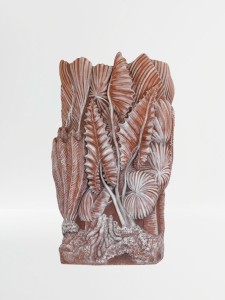
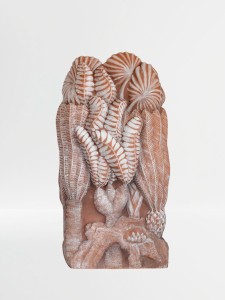
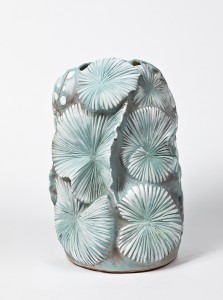
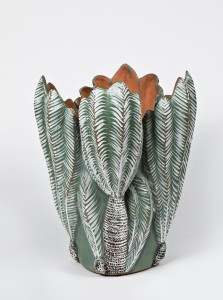
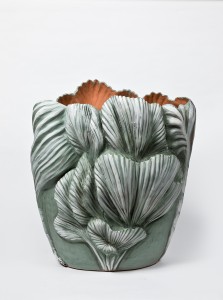
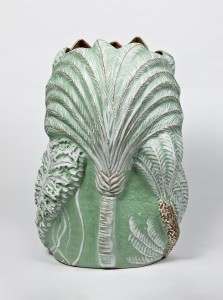
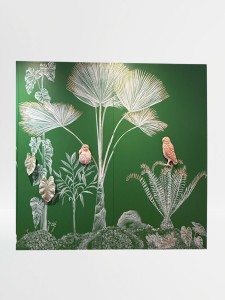
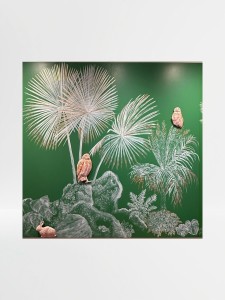
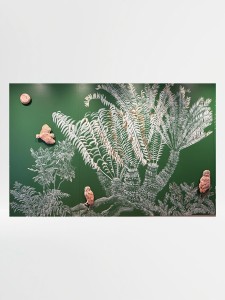
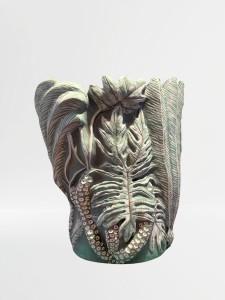
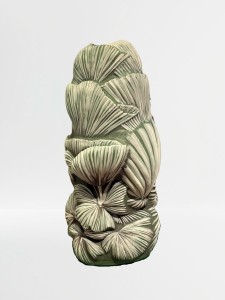
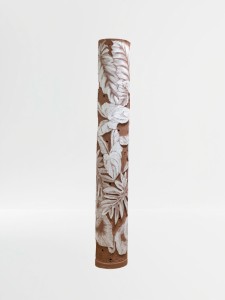
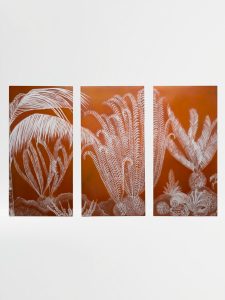
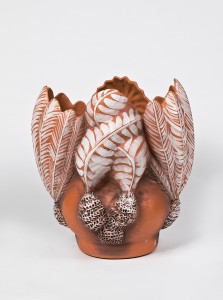
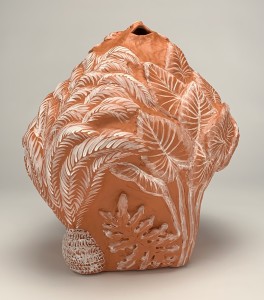
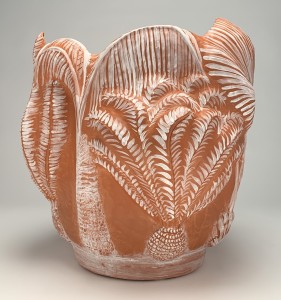
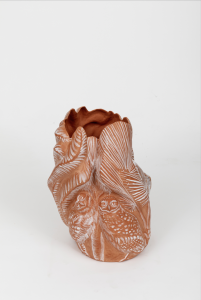
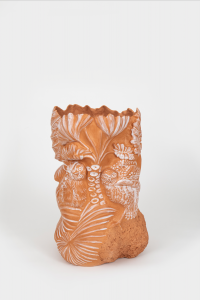
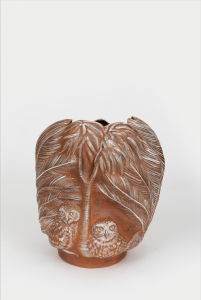
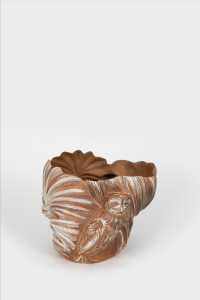
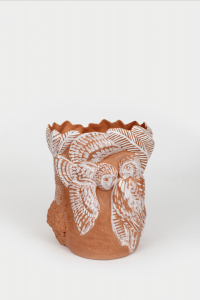
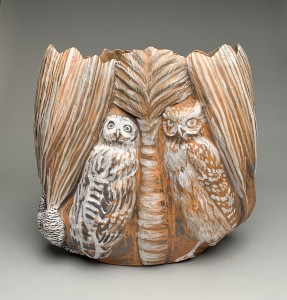
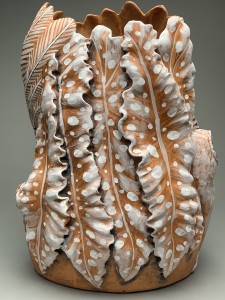
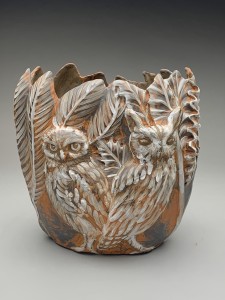
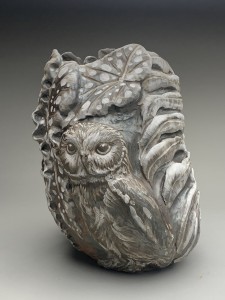
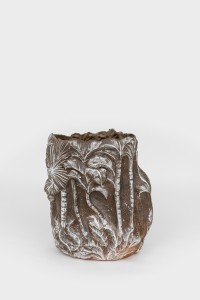
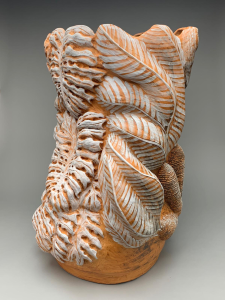
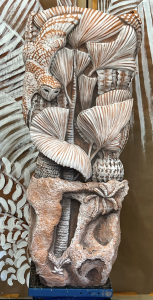
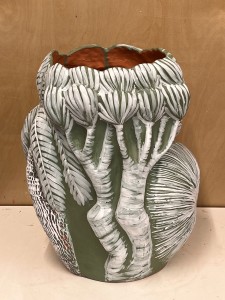
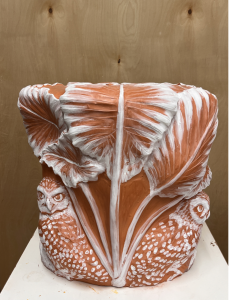
In Myungjin’s most recent work, “Paradise,” he sculpts narrative low-relief vessels with organic forms in warm earthy terracotta instead of the porcelain clay he had used for many years in his previous bodies of work. While the themes of his work are archetypal, MJ filters and distills the events of the immediacy of his own life as a poignant subject in his art.
MJ recently moved to San Pedro, CA, and with his partner, has created two entirely different sanctuary gardens—one rich in exotic fruits and vegetables and the other with ancient plants from the Jurassic era.
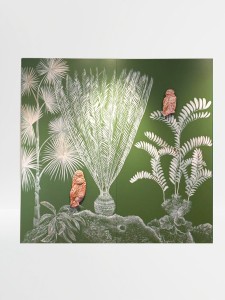
Myungjin has long been interested in painting styles from both East and West. Korean “Minhwa” paintings are mysteriously beautiful folk paintings that have influenced his work. In particular, 19th-century “Whajodo” paintings are symbolic popular paintings that include landscapes with lush flowers and pairs of birds “mated for life.” They promise prosperity, longevity, and happiness.
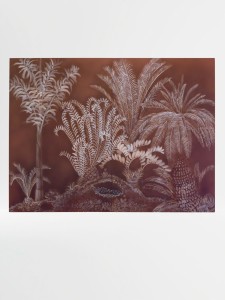
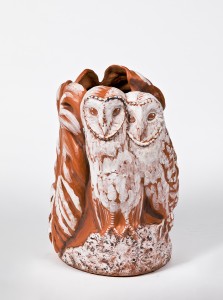
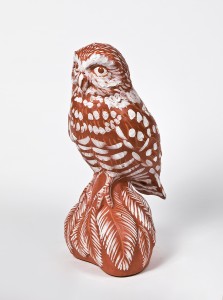
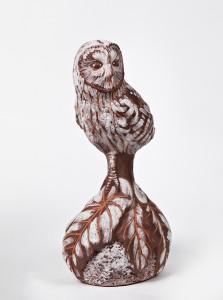
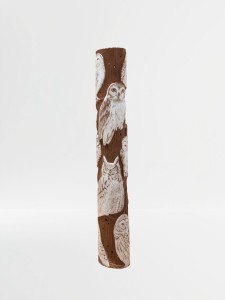
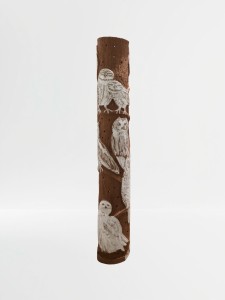
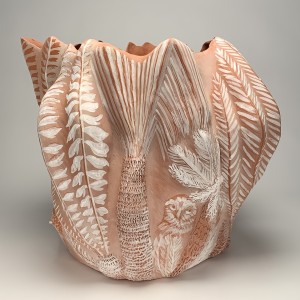
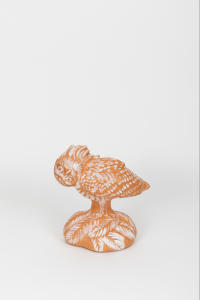
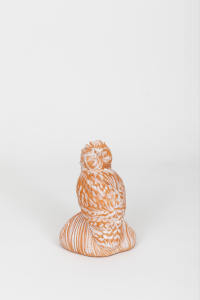
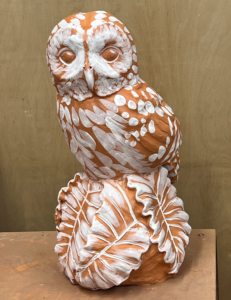
In the “Paradise” series, Myungjin’s narrative vessels depict a primitive botanical landscape inspired by the ancient plants in his garden. The recurring theme includes paired owls and birds, among other things. The owl has been a enduring subject intermittently appearing throughout the years in MJ Kim’s ceramic art.
Each vessel is handcrafted with terracotta clay. The images begin as low-relief sculptures around the vessels, with details painted in added white slip to complete the image. This is where the complexity of 2D and 3D come together to form a shape and an image. The vessels are painted and polished with terra sigillata, better known as the surface finish in notable pre-Columbian ceramic art from Mexico, Central America, and South America. This shift in his work was inspired by a recent trip to Mexico City.